Teaching, Mentorship & Meeting Online Students Where They Are
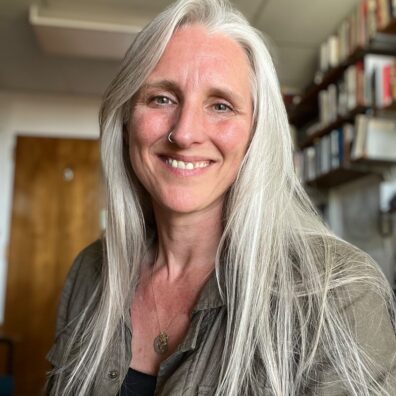
This conversation is part of our Faculty FaceTime series, featuring the educators who bring WSU Global Campus to life.
Dr. Shawna Herzog, Associate Professor of History at Washington State University, has taught at WSU since 2012 and with WSU Global Campus since 2014, specializing in world and European history.
The following transcript has been lightly edited for clarity and flow.
Why Dr. Herzog Loves Teaching Online
Q: What excites you most about teaching in your program for WSU Global Campus students?
A: What excites me most about teaching for Global Campus is that it helps bring historical knowledge to a larger group. It makes it more accessible and helps degree-seeking students achieve their goals more quickly.
My students often fall into two groups: future teachers and retirees. I’m excited to teach future teachers for a couple of reasons. They are different from the face-to-face cohort because, oftentimes, they are already teaching and looking to expand their careers, and I love helping people reach their personal goals. That group is always very fun to teach.
We also have people coming back to school because they love history and never had a chance to learn it. Or maybe they have a different career and want to add history because they simply enjoy it. That’s what I think is most exciting.
Supporting Students in Real Life, Not Just Online
Q: How do you support and mentor students in an online learning environment?
A: People say it a lot, but I really do meet students where they are. And for Global Campus, I think that this is extra important. Most of the time, students are managing work and family lives. Oftentimes, this means I meet with them at unusual hours. Sometimes it’s 8:30 p.m. doing consultations.
It might mean I meet with a student on their lunch break—things like that. So when I say I meet students where they are, I really do literally mean that: I meet them where they are, both intellectually and physically.
It really does mean more investment in the individual student rather than just the class. It’s more than just showing up or giving a lecture. I like mentoring students in this way because I also get more creative. I tend to get more creative topic choices because a lot of Global students have full lives.
They’re not just focused on WSU campus life. They have other things going on, and they often bring really cool and unique topics that face-to-face students don’t always bring.
It might mean I meet with a student on their lunch break—things like that. So, when I say I meet students where they are, I really do literally mean that: I meet them where they are, both intellectually and physically.
Tips for Managing School, Work & Life
Q: What advice do you have for students who are balancing school with work, family, and other responsibilities?
A: I spent a lot of time thinking about this because I did the same thing myself when I was getting my PhD. Of the two things that I came up with, the first is balance—remember that not everything is important all the time.
Try to select the most important thing. Sometimes your kid’s play is more important than submitting a short paper, and you have to realize that getting a B is fine. That sort of selective prioritization is key.
The second thing is organization. I think that Global Campus students really do need to work at being a bit more organized than those on campus. Being organized really does help you stay on top of things, and it feels like you’re able to incorporate school into your life, rather than being something just laid upon your schedule.
—
If you’d like to continue learning from Dr. Herzog, explore her perspectives on online learning in “Online Learning and Staying Engaged,” or dive into the real impact of history education in “Building Valuable Skills Through Learning History.”