Building Community Online: Preparing to Advocate for LGBTQ+ Foster Youth
In the fall of 2024, Shawn Kastner came to WSU Global Campus with a clear mission. He enrolled as a psychology student, hoping that the program would prepare him for a career in advocacy supporting LGBTQ+ youth who are navigating the foster system. These aspirations, he said, were largely inspired by his husband, a social worker and WSU alumnus whose work opened Kastner’s eyes to the challenges these young people face.
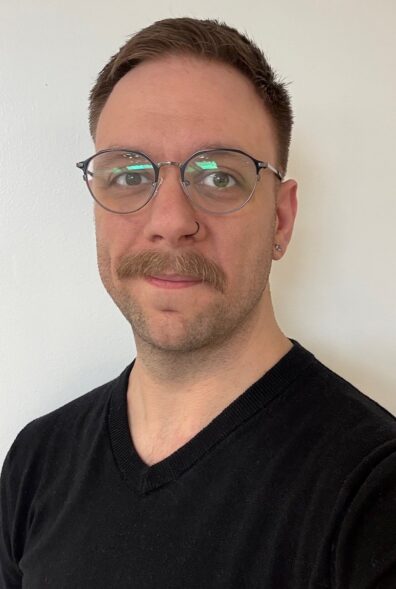
“There are so many things stacked against these kids,” he said. “They’re already in a difficult situation to begin with just being in the system, but then there are these added obstacles.”
These obstacles that Kastner alludes to can vary from feelings of isolation to a lack of identity-affirming resources to experiences with blatant homophobia or transphobia from adults who are meant to provide care and support. Reflecting on the way that these circumstances affect LGBTQ+ foster youth, Kastner noted that “opportunities for success really dwindle when [someone] belong[s] to a minority group.”
Having advocates who can relate to or sympathize with their experiences, however, can make a meaningful difference to LGBTQ+ foster youth. In a 2024 study, scholars June C. Paul and Caro Cruys confirmed the importance of “empathy, kindness, and caring; respect for and affirmation of the youths’ [identities]; knowledge and willingness to learn about LGBTQ issues; responsiveness to the youth; and shared characteristics or experiences.”
Kastner’s insights aligned with these findings. He emphasized the benefits of connecting LGBTQ+ foster youth with supportive adults who share their identities. “I think when you can see yourself in others, you can work through things a bit easier,” he said. “Representation really matters—not just in film and music, but in real life too.”
Representation really matters—not just in film and music, but in real life too.
Shawn Kastner
This belief has guided Kastner as he approaches graduation and works toward his career goals. It also informs his contributions to the Global Campus community as a leader of the WSU Global LGBTQ+ Club, which he joined in 2024 before becoming one of it’s two leaders in the summer of 2025.
When asked about what compelled him to join the club, Kastner recalled the impact that a local LGBTQ+ group in his hometown had on him when he was a teenager. At a time when his school environment was not always accepting, he found that the group “gave [him] a sense of belonging and community [and became] a sort of outlet.” Through his leadership with the WSU Global LGBTQ+ Club, he has worked to recreate that feeling for Global Campus students.
“If there was anybody [who felt isolated], I wanted to help guide and represent them in that way with this club,” he said.
One of the club’s main goals is to foster social connections among Global Cougs who identify as LGBTQ+. During regular Zoom meetings, participants share their experiences and build relationships with peers who can relate. The virtual environment is welcoming, largely informal, and often features a group activity or game to help break the ice.
Equally important is the club’s commitment to keep its members informed about LGBTQ+ news and history. Recently, the group has hosted events in observance of Black History Month and Transgender Day of Remembrance to honor the experiences and activism of those who came before them.
In addition to giving Kastner a deep sense of fulfillment, his involvement with the WSU Global LGBTQ+ Club has strengthened skills that will prove useful long after graduation. He mentioned how he has improved as a public speaker, learned to facilitate meetings and discussions, and exercised his strengths in networking and collaboration.
Kastner also reflected on how his overlapping experiences as a club leader, a Global Campus student, and a member of the LGBTQ+ community have been preparing him for the next step in his career. “I think that my personal experience having been a queer youth and meeting others through the club has given me an insight into the community and how I can apply what I’ve learned foundationally through my psych studies to serve the community I belong to,” he said.
This May, Kastner will graduate with the class of 2026. As he looks ahead and explores graduate study options, he remains focused on building a career in advocacy for LGBTQ+ foster youth—helping create support systems and a sense of belonging that can shape a young person’s future.
About the Author
Emma Seckington is a writer for WSU Global Campus, working alongside the Marketing and Communications team to spotlight the unique accomplishments of Global Campus students, faculty, and alumni.