Leading with Compassion: A Conversation with ASWSUG’s Executive Board
Every year, passionate and driven students take on leadership roles in the Associated Students of Washington State University Global (ASWSUG) student government, working to represent and support the Global Campus community. The 2025–2026 board continues that tradition—with one notable distinction: all seven members are women.
The appointment process for student government positions is, of course, based on merit. The all-female make-up of the board was a complete surprise, though not an entirely unwelcome one, as the executives have reflected. Not only did their shared experiences as women lead to a natural rapport amongst the group, but they also directly informed key aspects of the members’ approaches to leadership. When asked about the principles that guide their work with ASWSUG, the directors repeatedly emphasized compassion, empathy, care, and a desire to understand and anticipate the unique needs of students.
“Women often bring a strong sense of empathy, communication, and awareness of how decisions affect people differently,” said Hassana Alnajjar, director of communication and compliance, “and those perspectives help ensure that student government remains grounded in the lived experiences of the students it serves.”
The board’s commitment to these values is reflected in the way that they prioritize communication and engagement with the Global Campus student body. In addition to their weekly meetings that are always open to the public, they have hosted well-attended town halls and listening sessions in which students were invited to ask questions and voice their concerns with the assurance that they were being truly listened to. They have also founded the Student Affairs Senate, a new organization that gives students the opportunity to collaborate with their ASWSUG leaders and student ambassadors in the decision-making processes that will impact the entire campus.
“Students just want to feel heard and know that their feedback is going somewhere,” explained Hannah Kramer, ASWSUG president. “It’s our job as student government to make sure they get a response.”
This critical component of the job that Kramer outlines requires not only communicative and logistical competence, but also a great deal of emotional labor. “There’s a lot of care involved,” said her vice president, Rikki Butler-Marsh, emphasizing that the board is “not just managing tasks, [but] holding people’s concerns, their disappointments, their hopes.”
Much of this work, numerous members of the board commented, goes overlooked—as “invisible” as many other contributions by women throughout history. Undervalued as it is, however, this emotional labor is key to accomplishing the overarching goals that guide ASWSUG in the first place. Honest representation of the student body, the board knows, simply cannot happen without empathy and genuine interpersonal connection, qualities that society has historically associated with women as mediators, caregivers, and active listeners.
We advocate not only for ourselves, but for all students—especially women and those whose voices may feel overlooked.
Alexiis McLean, Director of Legislative Affairs of ASWSUG
Despite the positive impact that can be made with the application of these “feminine” strengths, the board reports experiences of having their competence and contributions discounted on account of their gender. From pay discrepancies to blatant dismissal of their achievements, these women know firsthand what it is like to be underestimated or have one’s voice go ignored. Rather than succumbing to discouragement, however, they have persevered in their respective academic and professional fields, their past experiences with inequality fueling their commitment to uplifting others through their work with ASWSUG. “We advocate not only for ourselves, but for all students,” said Alexiis McLean, director of legislative affairs, “especially women and those whose voices may feel overlooked.”
As an all-female executive board, the members hope that their leadership and influence will give their fellow women students a sense of belonging, perhaps inspiring them to pursue similar roles themselves. “I hope that students look at the board and say, ‘I can see myself there,’” said Moana Acosta, director of outreach. “That would be a compliment to the work we’re doing.” Acosta’s fellow board members echoed this sentiment, saying that they hope to inspire students at all intersections of identity to get involved at Global Campus.
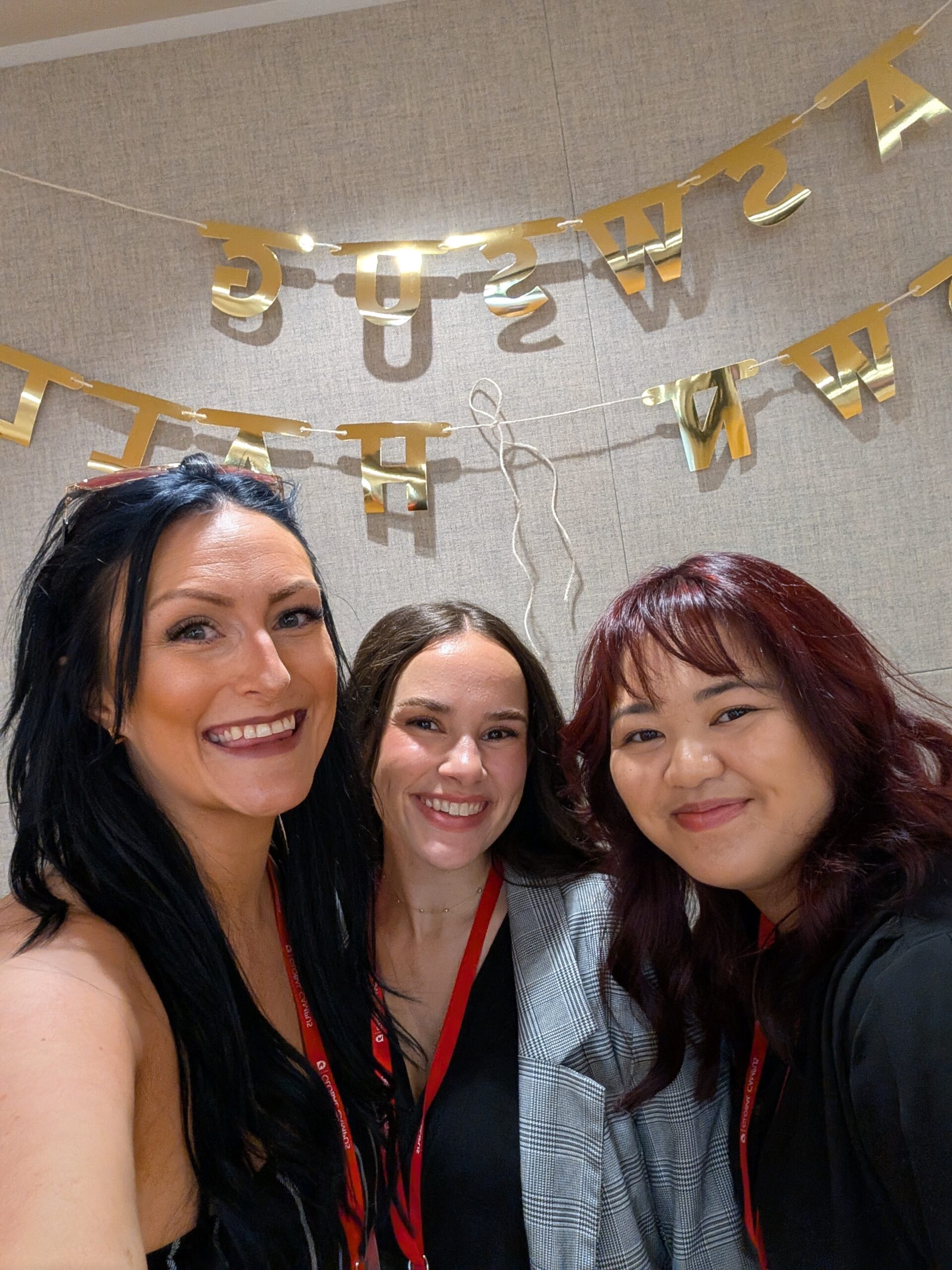
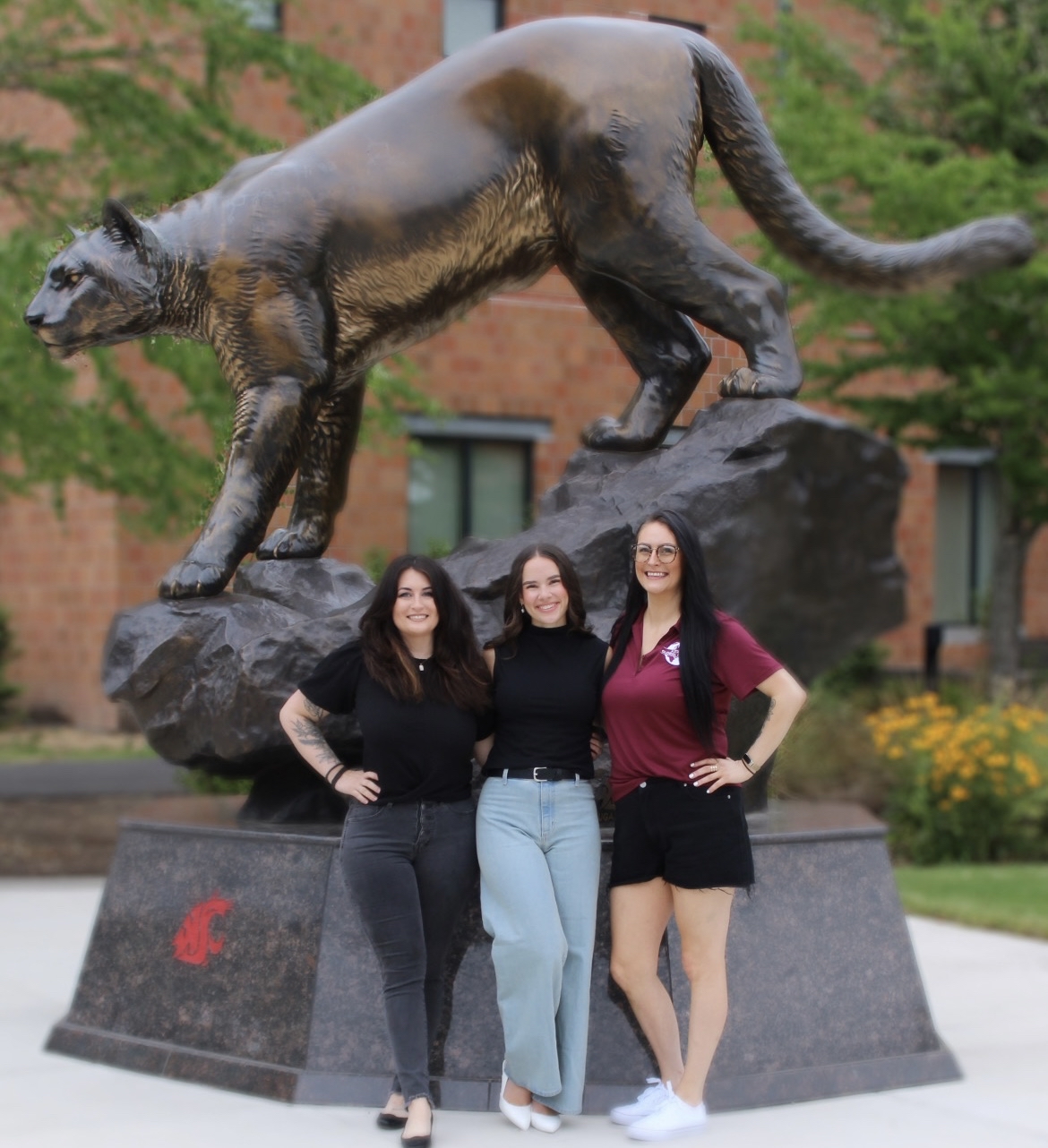
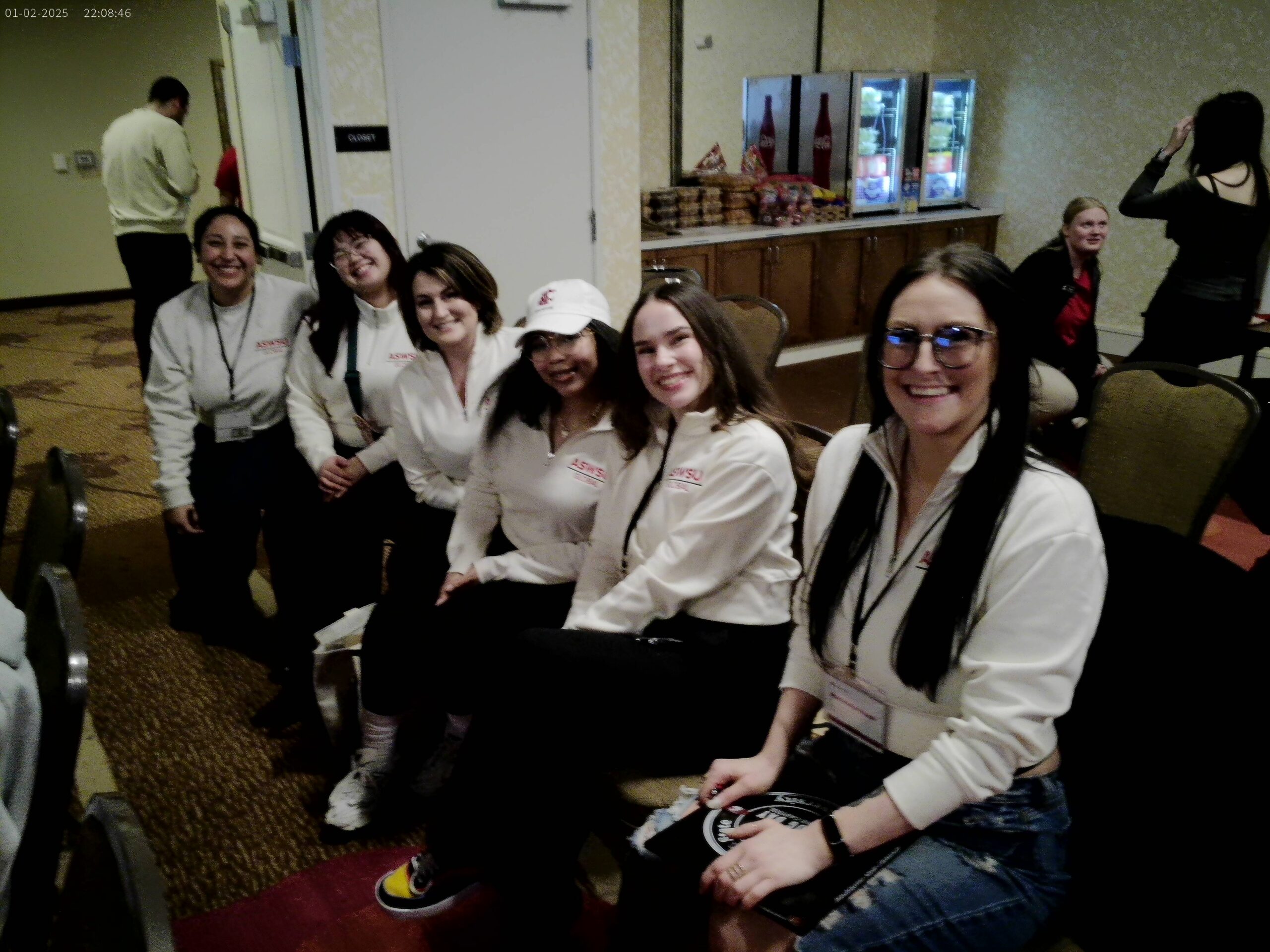
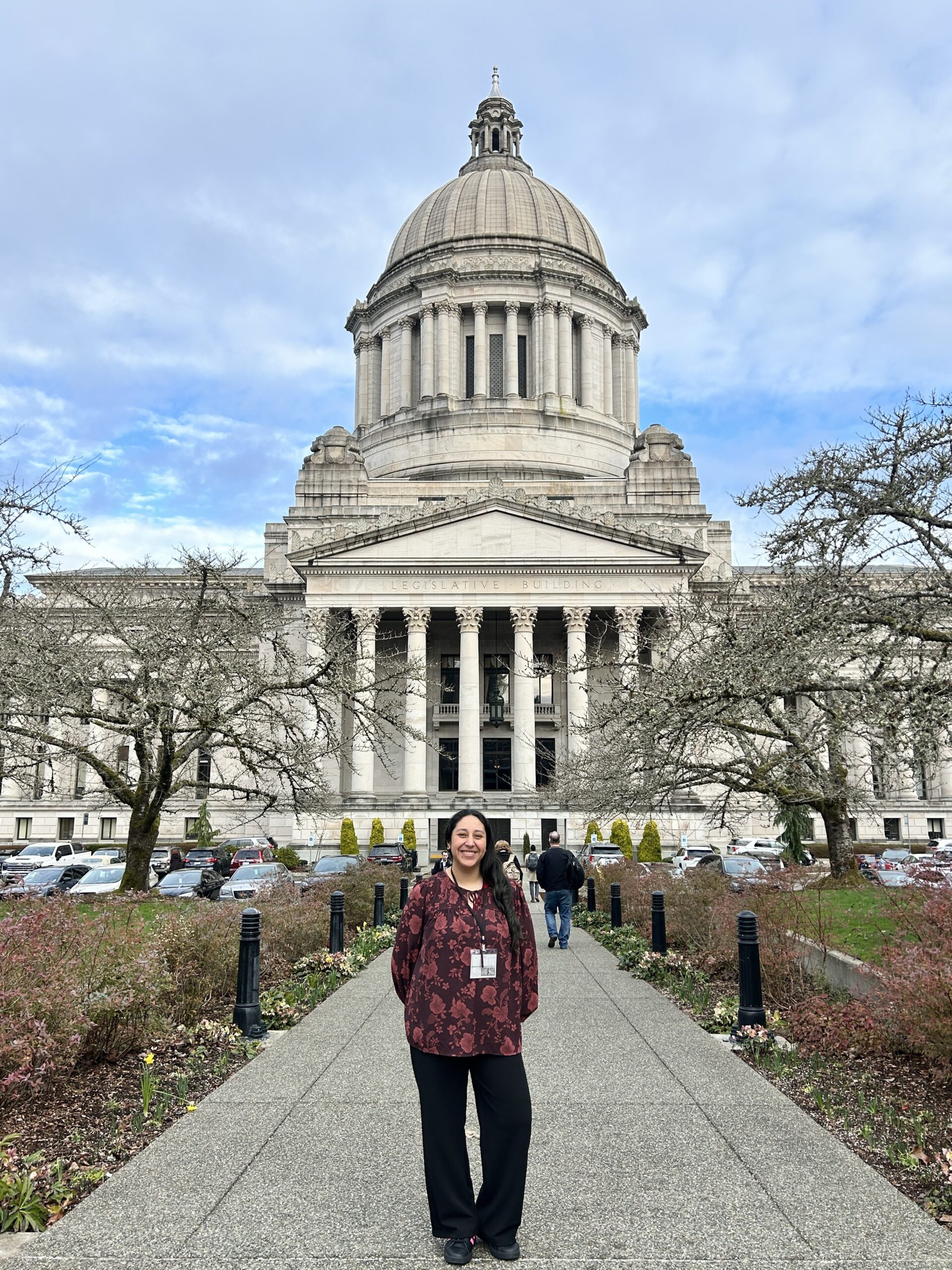
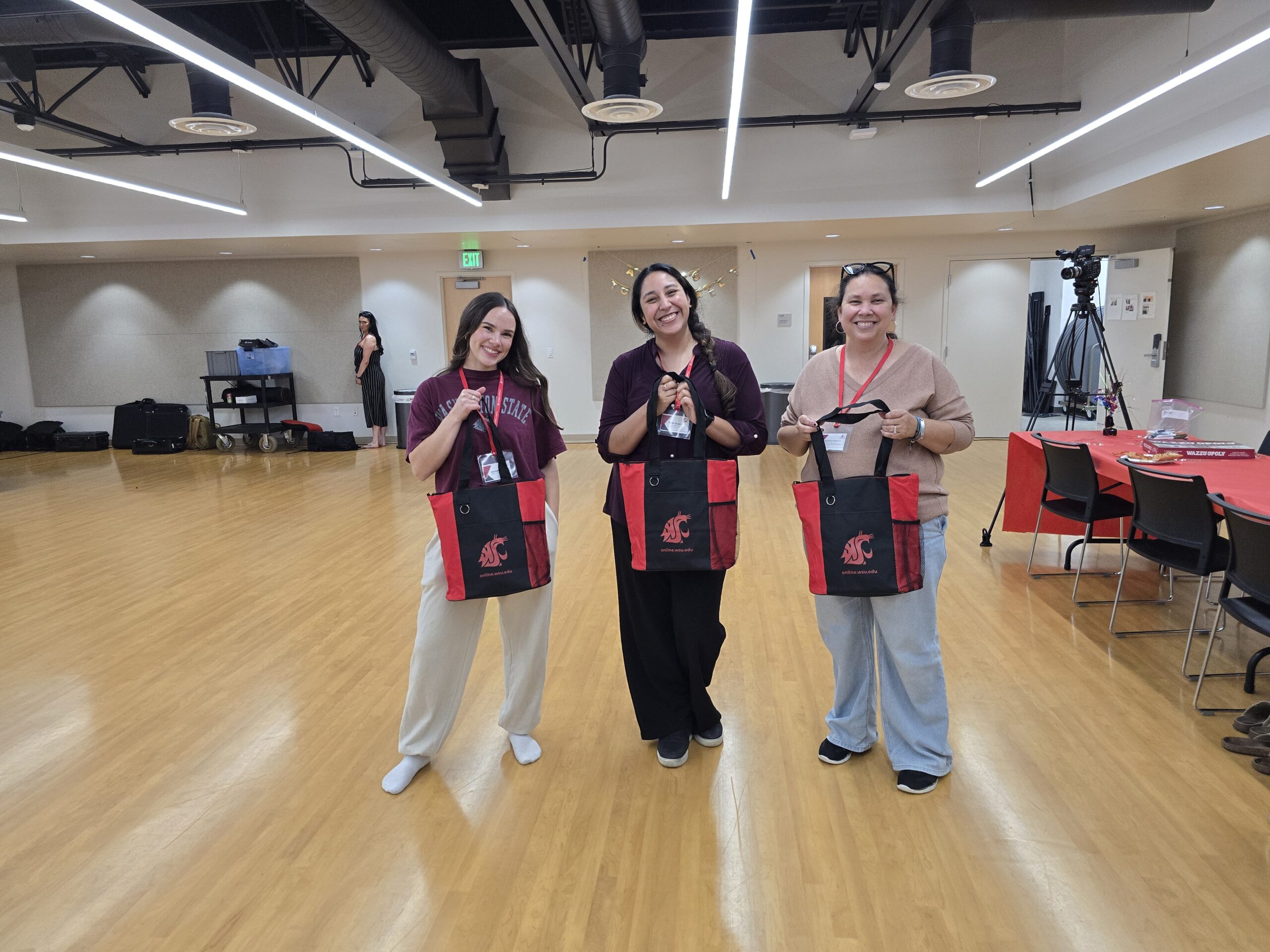
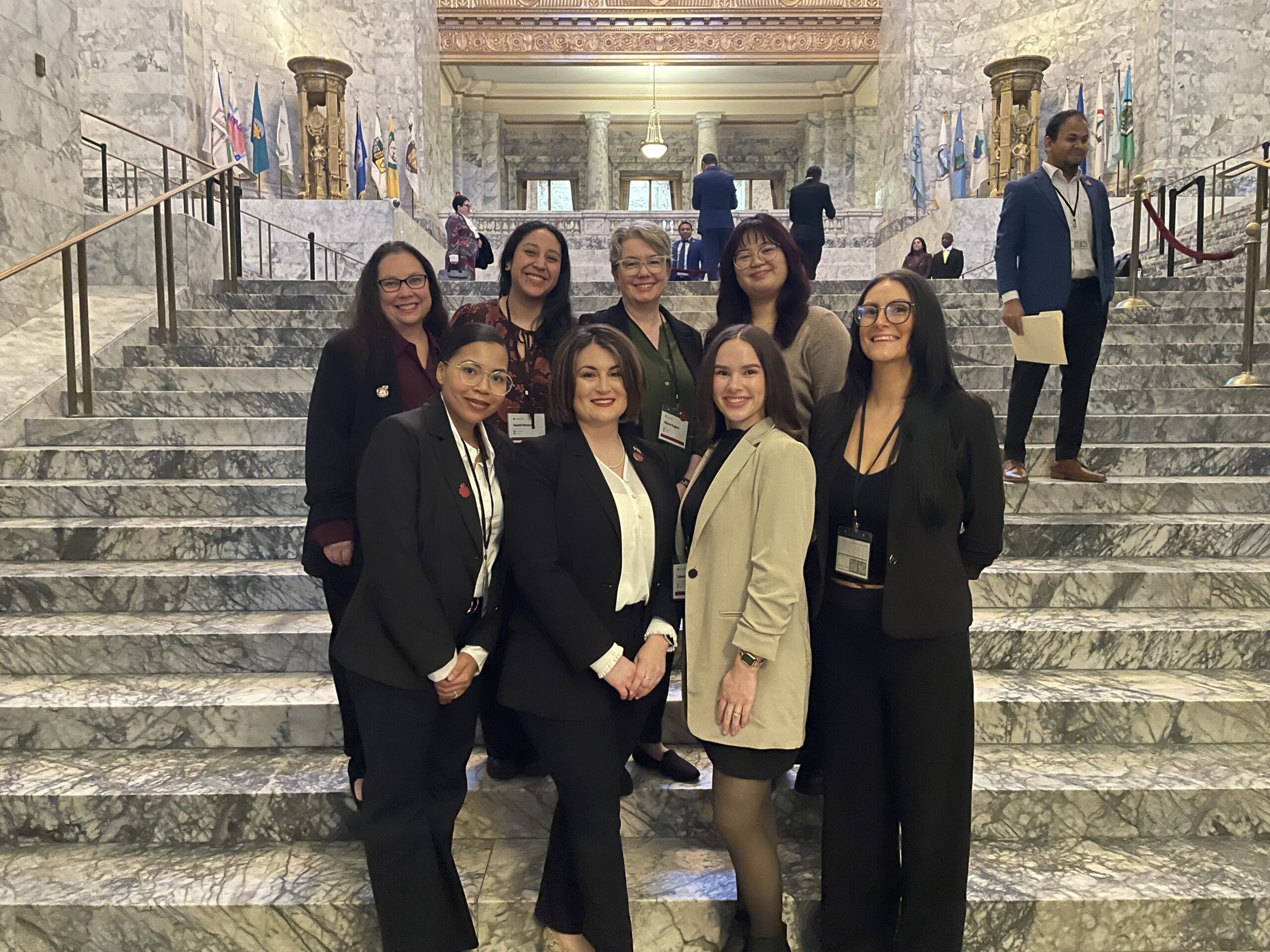
When asked about the advice they would give to other women considering pursuing a leadership position, the board emphasized how important it is to establish a solid sense of one’s assets. “Sometimes when we apply for roles, there’s a feeling of imposter syndrome,” said Adela Kongdara, director of finance, “but knowing your strengths and what you can bring to the table is a big part [of overcoming it].” Sarah Orosco, director of promotions, added that being able to advocate for oneself is also critical for success as a woman. “I’m not ever going to make myself smaller for someone else,” she said, “but I will meet them where they are.”
You don’t have to feel ready to lead. You become ready by leading.
Rikki Butler-Marsh, Vice President of ASWSUG
While the idea of taking on the challenge of leadership can feel intimidating, the executive members want to remind others of the universal learning curve. “You don’t have to feel ready to lead,” said Butler-Marsh, “you become ready by leading. You don’t need to be perfect, polished, or fearless. Growth happens in the role, not because of it.” Orosco and Kongdara concurred, sharing that they have never regretted taking the risk of stepping out of their comfort zones to lead. “If you care, are willing to learn, and are open to feedback, you already have what it takes to lead,” added Alnajjar. “Don’t wait for permission to take up space.”
As the appointment cycle for the next executive board approaches, the current directors have been meditating on the legacy they hope to leave behind. “I hope that women look at this year and see that there’s space for them at these tables and rooms where decisions are happening,” reflected Kramer. She also spoke to the impact that serving the student body has left on her and the rest of the board, mentioning personal fulfillment, lasting friendship, and refined skills that will serve them well later in life. “When we become alumnae,” said McLean, “we will be ready to lead with confidence, resilience, and purpose—Coug strong, shaped by Washington State University.”
About the Author
Emma Seckington is a writer for WSU Global Campus, working alongside the Marketing and Communications team to spotlight the unique accomplishments of Global Campus students, faculty, and alumni.